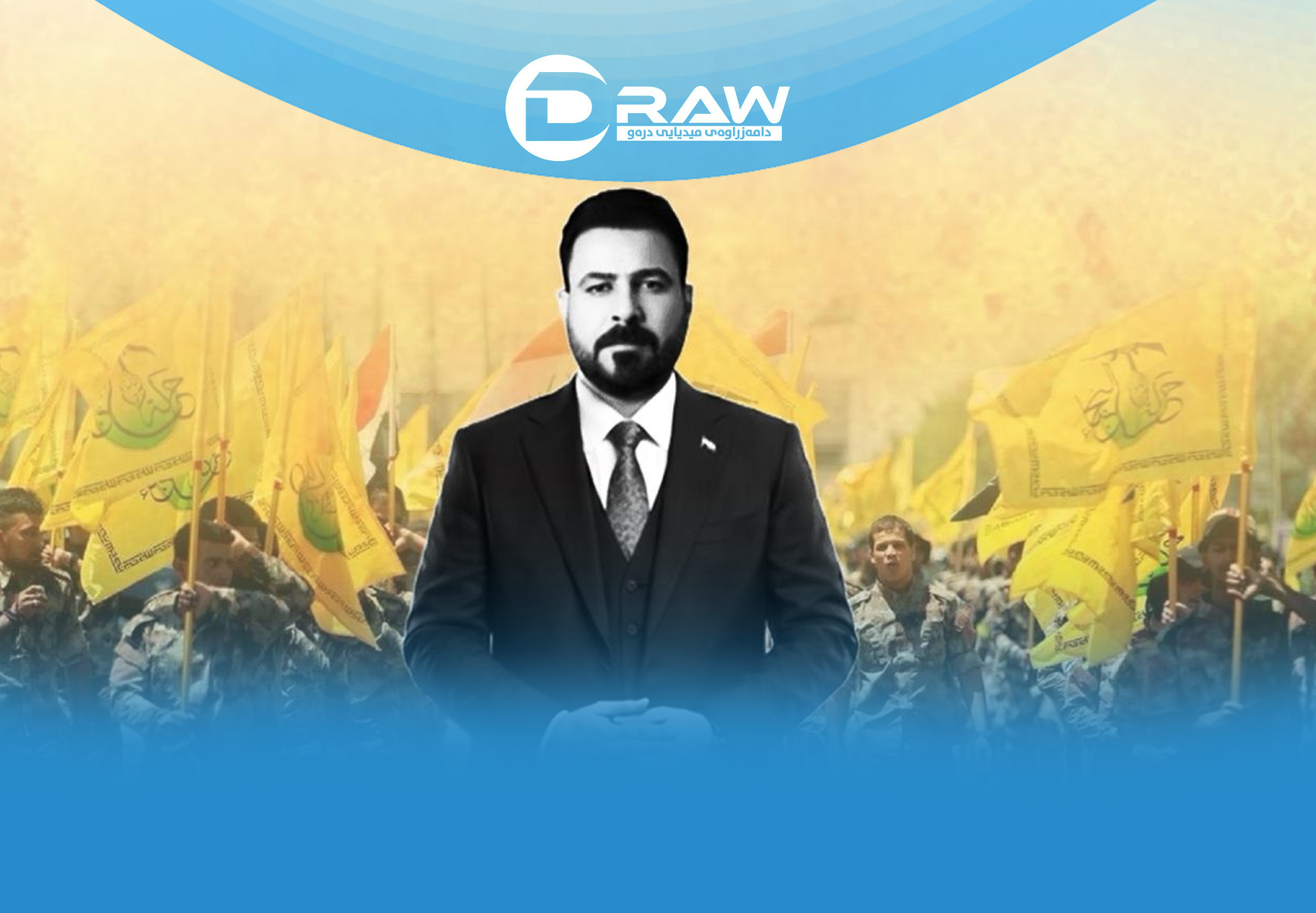
According to Iraqi intelligence sources cited by Alhurra, tensions have intensified following Al-Zaidi's efforts to cut off financial channels allegedly benefiting the armed faction.
Financial pressure and political divisions
Al-Zaidi has instructed the Military Industrialization Authority to deal directly with manufacturers, eliminating intermediary companies from government contracts.
Meanwhile, Iraq's Federal Commission of Integrity launched an investigation on November 4 into government contracts suspected of providing financial support to armed groups.
Sources close to the Coordination Framework say disagreements have emerged within the coalition over Al-Zaidi's approach toward Kataib Hezbollah, raising concerns about a possible armed confrontation.
Last Saturday, Kataib Hezbollah strongly criticized the prime minister, accusing him of accumulating wealth and demanding accountability. Al-Zaidi subsequently visited Sadr City in eastern Baghdad, where he drove through the area and had dinner at a local restaurant. A source close to him described the visit as a demonstration of the state's ability to maintain its authority.
Disarmament negotiations collapse
Former Iraqi army officer Mukhlad Hazem told Alhurra that negotiations between the Coordination Framework and factions refusing to surrender their weapons appear to have broken down.
According to the report, Al-Zaidi rejected a proposed written agreement that would have established conditions and a timetable for disarming these groups. He also opposed granting Kataib Hezbollah positions within government institutions.
Hazem said the government's recent measures, supported by intelligence information supplied to the Integrity Commission, have significantly disrupted the factions' financial networks and affiliated structures, contributing to an increasingly hostile media campaign between the two sides.
He warned that the coming period could bring a more serious confrontation, potentially forcing government forces to take direct action if armed groups continue challenging state authority.
Changes within Iraq's security institutions
Last month, Al-Zaidi assumed direct responsibility for overseeing Iraq's intelligence service following the removal of Hamid al-Shatri.
He also established an office for the Commander-in-Chief of the Armed Forces, headed by General Abdul Amir Shamari, who has regularly appeared alongside the prime minister.
Kataib Hezbollah's security official, Abu Mujahid al-Assaf, previously accused Al-Zaidi of interfering with legislation governing the Popular Mobilization Forces (PMF), after the government withdrew the proposed law from parliament for revisions.
Al-Assaf also called for the publication of an agreement reportedly reached over the legislation.
Dispute over the PMF legislation
The controversy surrounding the proposed PMF law centers on plans to restructure the organization's military and administrative framework, redefine the authority of its commanders, and limit the economic and civilian activities of affiliated armed factions.
Kataib Hezbollah and other armed groups oppose the government's proposed amendments, adding another source of tension between the prime minister and Iran-aligned factions.