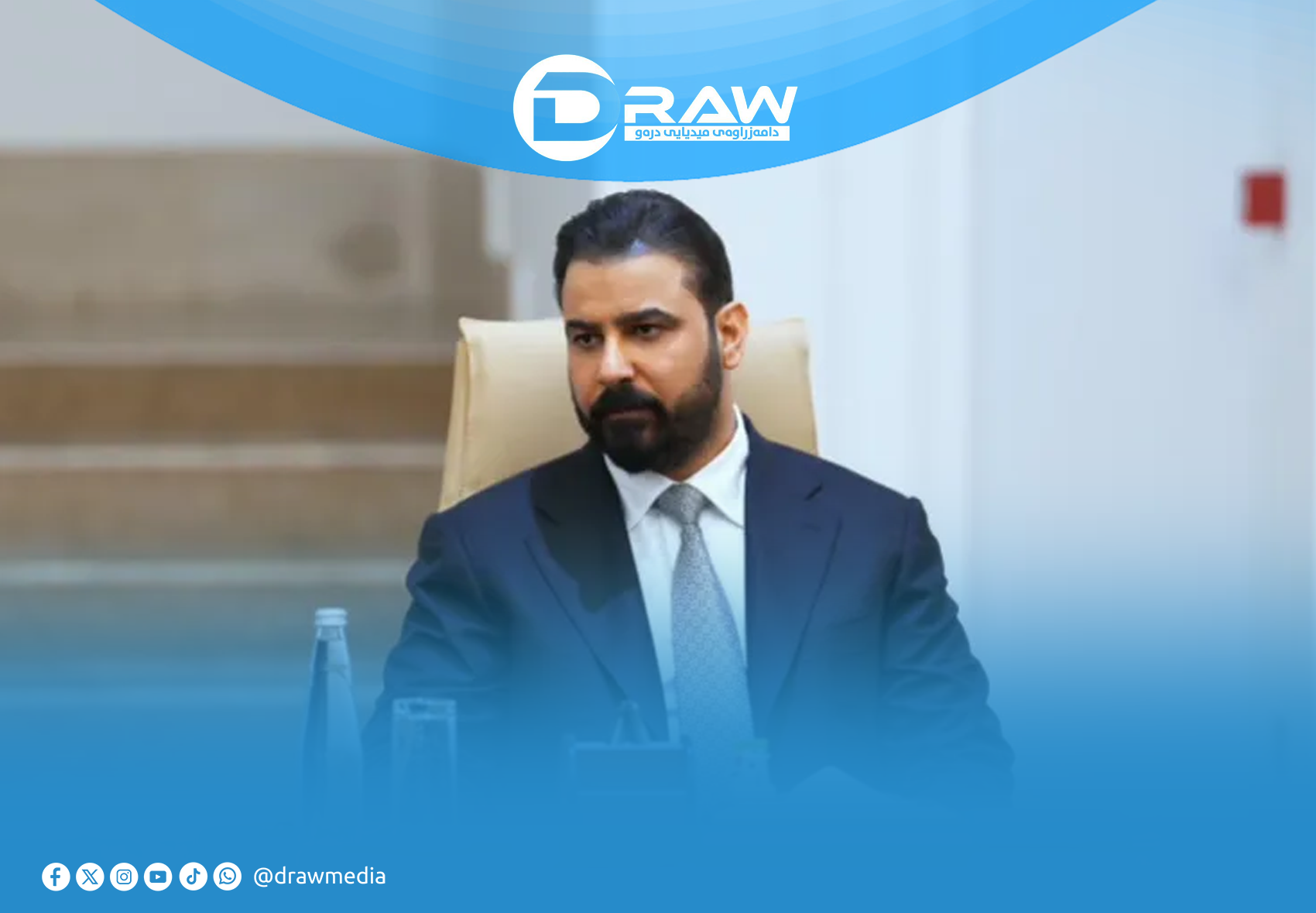
In an interview with the Iraqi News Agency, al-Zaidi said many individuals accused of theft had been involved in corruption linked to one million barrels of oil received from the Oil Ministry without payment. He also announced that 72 advisers had been dismissed, saying deputy prime ministers would take on advisory duties and visit provinces and ministries.
Al-Zaidi said his government had weakened corruption and made progress in efforts to bring weapons under state control. He claimed five armed groups had agreed to disarm, with three having already done so, while negotiations with others continued. He added that the government aimed to ensure all weapons were under state control by June 30 of the following year.
On Sinjar, al-Zaidi said an understanding had been reached with the YBS to hand over control of Mount Sinjar to Iraqi forces, with the group’s fighters to be incorporated into the Popular Mobilization Forces. He added that Turkish forces would subsequently withdraw from Bashiqa.
Regarding the economy, al-Zaidi said non-oil revenues had risen from 6–8% to 19% of total revenues. He also announced plans to expand oil export routes and increase production to 10 million barrels per day by 2030, with American companies serving as strategic partners.
Al-Zaidi said Iraq had faced the risk of international sanctions and diplomatic withdrawals before he took office, but claimed his government had helped avert that outcome. He pledged to continue reforms, saying he had twice turned down the premiership before accepting the responsibility of building a state rather than merely forming a government.